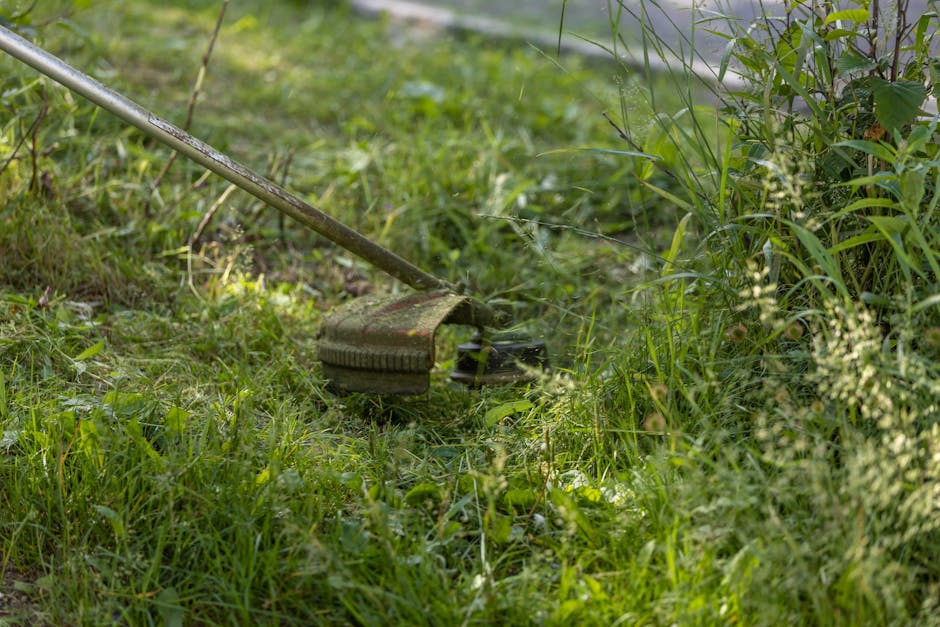
Gardening Services in Surbiton

Gardening Services Surbiton provides practical garden work for homeowners and property managers who want their outdoor space kept tidy, usable and visually balanced. The service covers routine maintenance, seasonal cutting back, grass care, hedge work, garden clearance and larger landscape improvements where a more complete refresh is needed. From regular upkeep to one-off tidy-ups, the focus is on dependable work that suits the condition of the garden rather than forcing it into a fixed package.
Our approach is straightforward: assess what the garden needs, agree the scope and carry out the work with care. That can mean consistent maintenance for a border-heavy garden, selective pruning for shrubs and hedges, or a full clearance before new planting or redesign. If you are looking for a clear plan and a sensible quotation, start with the service that best matches your garden’s current state and build from there.
We work across the core garden tasks that most properties need at different times of year, while keeping the specification flexible enough for small front gardens, larger family spaces and properties with awkward access. If you already know what you want done, you can request a quotation once you have reviewed the main service pages below.
Routine garden maintenance and lawn care

Regular maintenance is often the simplest way to keep a garden presentable without letting the work build up. Our garden maintenance service can include weeding, deadheading, basic cutting back, border tidying and general seasonal attention. The aim is to keep growth manageable and preserve the shape of the space, rather than letting one visit become a rushed reset. Where a garden needs a steadier rhythm of care, this is usually the most practical starting point.
Lawn care is a major part of that routine. Through lawn mowing, grass can be kept at a sensible height and the finish kept neat around edges, paths and obstacles. The work can also support better presentation in gardens where the lawn is the main visual feature. A good mowing schedule often helps the rest of the garden look more organised, especially when paired with a basic tidy of surrounding beds and borders.
What ongoing upkeep usually covers
Ongoing garden care is best thought of as a series of small decisions rather than one large job. Some gardens need frequent light intervention; others need fewer visits but more work each time. Typical maintenance tasks may include:
- mowing and edging the lawn
- removing obvious weeds from paths and borders
- cutting back soft growth that is spilling into walkways
- keeping planting areas orderly without stripping them bare
- collecting and removing general green waste where agreed
Garden clearance for overgrown or neglected areas
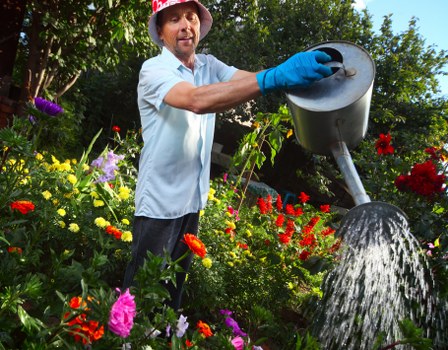
When a garden has become difficult to use or simply too cluttered to manage easily, clearance work provides a practical reset. Our garden clearance service is suited to overgrown areas, spaces with a build-up of unwanted material and gardens that need a full sort-out before they can be maintained properly. The work may involve removing cuttings, clearing unwanted growth and opening up access to areas that are currently blocked or hidden.
A clear garden is easier to plan, maintain and improve. Clearance can be the right first step before later planting, turfing or structural changes, but it also works as a standalone service when the priority is simply to make the space tidy and usable again. Depending on the site, the work can be light and selective or more involved, with the emphasis always on removing what is no longer needed and leaving a workable starting point.
Choosing the right level of clearance
Not every garden needs a full strip-back. Some need only a focused tidy of overgrowth and loose debris, while others require a more substantial clear-out to reveal the underlying layout. When requesting a quotation, it helps to say whether the job is mainly about restoring access, preparing for new work or removing accumulated waste. That distinction changes the labour, tools and time involved, so it is the most useful way to describe the task.
Hedge trimming and tree work
Hedges and trees shape the structure of many gardens, which is why cutting them correctly matters as much as keeping lawns neat. Our hedge trimming service helps keep formal and informal hedges tidy, controlled and appropriately sized for the space. Regular trimming supports a cleaner outline, improves light where dense growth is becoming heavy and helps prevent hedges from spilling into paths, drives or neighbouring areas.
For larger woody growth, the work may also involve tree care where reduction or removal is necessary. The tree lopping and removal page covers this type of service. Tree work needs careful judgement because shape, clearance and safety all influence the approach. Some situations call for selective cutting back, while others call for complete removal when the tree is causing practical issues or is no longer suitable for the setting.
Before any hedge or tree work is agreed, it is sensible to consider access, nearby planting and what the finished line should look like. Good results depend on leaving enough growth for recovery where needed, while still achieving a neat, balanced finish. If you are comparing options, look at the hedge and tree work pages together so the right scope can be set from the beginning.
Landscape gardening and new garden features
Some gardens need more than maintenance. Where the layout feels awkward, the planting is tired or the space no longer suits how it is used, landscape gardening can provide a better long-term solution. Our landscape gardening service is the place to explore broader design-led improvements such as reshaping beds, reworking levels, refreshing planting plans and creating clearer routes through the garden.
We also offer broader landscaping work for projects that include more physical changes to the space. That may involve preparing ground, adjusting the layout or combining soft landscaping with practical features that make the garden easier to enjoy. These services suit customers who want the garden to function differently, not just look tidier. A well-considered change of layout can make maintenance easier as well as improving appearance.
When a garden is being redesigned, it is useful to decide what should be retained, what should be removed and what role each area should play. Some sections may be kept simple for low maintenance, while others can be made more decorative or structured. A clear brief helps us shape the work properly, especially when the project needs to balance appearance, usability and upkeep.
About Surbiton

Surbiton is a suburban district in the Royal Borough of Kingston upon Thames, in southwest London, positioned on the River Thames not far from Kingston town centre. It developed rapidly in the nineteenth century after the arrival of the railway, and much of its present character reflects that period of expansion. The area is known for a mix of Victorian and later residential streets, with tree-lined roads, mansion blocks in places and a generally suburban feel that sits alongside busier transport corridors. Surbiton station, opened in 1838 and rebuilt in its present Art Deco style in the 1930s, remains one of the district’s best-known landmarks and a key part of its identity. Nearby, the Thames path and riverside areas provide open stretches for walking, while the town centre brings together shops, cafés and everyday services around a compact core. Local green spaces such as Claremont Gardens and Alexandra Recreation Ground add further variety, and the wider borough includes established parks, school grounds and residential plots that contribute to the area’s leafy character. The name Surbiton is also associated with a strong commuter connection, yet the district retains a distinct local centre and a sense of place shaped by its railway history, river setting and varied built form. This combination of transport, housing and open space has given the area a recognisable urban-suburban balance that continues to define it today.
For gardens in and around Surbiton, that setting often means a mix of compact plots, boundary planting and established trees, with outdoor spaces that benefit from careful, well-judged attention rather than heavy-handed treatment. The district’s residential streets, varied plot sizes and mature surroundings make thoughtful garden work especially important where access, structure and presentation all need to be balanced.
Planning seasonal work and refreshing tired spaces

Seasonal changes can make a big difference to how a garden looks and how much work it needs. In spring, the focus is often on cutting back winter damage, clearing debris and getting beds back into shape. Summer work tends to centre on mowing, trimming and keeping growth under control. Later in the year, the emphasis may shift towards preparing borders, reducing bulk and tidying areas before colder weather sets in. Our service can be adapted to those seasonal patterns without forcing unnecessary work into the visit.
For customers who want a more refreshed finish, smaller improvements can sit alongside the practical maintenance. Borders can be made more ordered, awkward overgrowth can be reduced and uneven areas can be brought back into line. Where needed, a single visit can create the basis for ongoing care, with follow-up work planned around the garden’s condition rather than a generic timetable. That flexibility is useful when the garden has a few problem areas rather than a full overhaul requirement.
If you are ready to discuss the work, prepare a simple description of the garden and the outcome you want and send it through with any relevant details. A few notes on access, size and the main tasks usually help most. Request a quotation when you are ready to compare the options.
Decking and hard landscaping support
Some garden projects involve more than plants and grass. Our decking services are suitable where a raised or level outdoor area would improve the way the garden is used. Decking can provide a clean seating area, a transition between surfaces or a practical solution for part of a sloping or uneven space. The key point is to match the design to the garden so that it feels integrated rather than added as an afterthought.
Hard landscaping is also important where pathways, borders, access routes or layout changes need a durable finish. The work may be part of a larger redesign or a standalone improvement to make the space more usable. Good hard landscaping supports the rest of the garden by defining edges, improving movement and making regular maintenance simpler. It is especially helpful when the aim is to reduce clutter and improve the structure of the outdoor area.
When considering these options, it helps to think about how the space will be used day to day. A design that suits a sitting area may differ from one built mainly for circulation, and a practical surface choice may be better than a decorative one if upkeep is a concern. Our role is to provide the right type of garden work for the intended function, not to force a one-size-fits-all result.
Quotations, scope and useful project details
Quotation requests are simplest when the job description is clear. If you are asking about maintenance, say whether it is a one-off tidy, repeated care or a mixture of lawn, hedge and border work. For clearance or landscaping, describe the main objective and any constraints such as access, waste volume or features that should stay in place. This helps the scope of work to be matched properly and avoids unnecessary back-and-forth.
It is also sensible to mention any points that may affect how the work is carried out, such as narrow side access, shared boundaries, slopes, mature planting or areas that need particular care. A concise outline is usually enough; there is no need to overcomplicate it. If you prefer to compare services first, the services overview is a useful starting point before moving on to a more detailed enquiry.
We aim to keep the process practical and easy to follow. You can review the individual service pages, decide what work suits the garden best and then send the relevant details for a quotation. Clear information leads to a clearer price discussion, especially where several tasks are being combined. If you are ready, please ask for a quotation today.
Health, safety and responsible disposal
Garden work often involves lifting, cutting, clearing and moving material through confined spaces, so sensible working methods matter. The health and safety policy and insurance and safety pages explain the standards that guide safe working and careful handling on site. Safety is particularly relevant where tools, ladders, sharp cuttings or heavier waste are involved, and it helps ensure the job is managed in an orderly way.
Responsible disposal is equally important. Green waste and removed material should be handled in a way that keeps the site tidy and avoids unnecessary mess. Our recycling and sustainability information sets out the broader approach to reuse and disposal, while the disposal method itself will depend on the type and volume of waste involved. For many customers, this practical side of the job is one of the biggest advantages of hiring help, because it leaves the space ready for use once the work is complete.
Where a garden contains mixed material, such as cut branches, turf, hedge trimmings and general clutter, the cleanup phase can take as much care as the cutting itself. The aim is always to leave the property in a better state than it was found, with attention paid to paths, lawns and access points. That final tidying makes a real difference to the finished result.
Useful policies and next steps
Before booking, some customers like to review the business policies that sit behind the service. The about us page gives a broader overview of the business, while the payment and security page covers general transaction information. If you would like to understand the service terms, the terms and conditions and privacy policy are available as reference points.
There is also a complaints procedure for anyone who wants to know how concerns are handled, and a cookie policy and accessibility statement for website-related information. These pages do not change the service itself, but they can help customers feel more comfortable before they enquire. If you still have questions, a direct quotation request remains the quickest way to discuss the garden work you need.
The simplest route is to choose the service page that matches your job, note any special details and send through an enquiry. Whether it is lawn mowing, hedge trimming, garden clearance or a broader landscaping project, we can discuss the scope and prepare a practical response. Request a quotation when you are ready to take the next step.