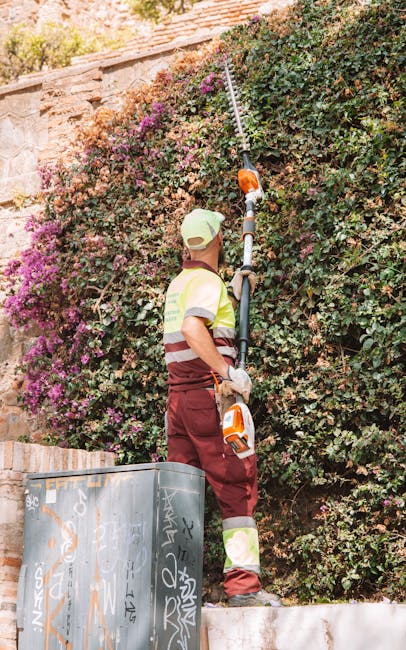
KT6 garden maintenance costs explained for Surbiton gardeners
If you live in KT6 and your garden is starting to look a bit like a "will sort it next weekend" project, you are not alone. Garden maintenance costs can feel unclear at first, especially when every lawn, border, hedge, and patio seems to need something different. This guide to KT6 garden maintenance costs explained for Surbiton gardeners breaks everything down in plain English, so you can make sense of what you are paying for, what affects the price, and how to choose a service that actually suits your garden.
Truth be told, most people do not need a perfect garden. They need a tidy, healthy, manageable one. And the cost should reflect that reality. In the sections below, you will see how pricing usually works, what pushes it up or down, where people often overpay, and how to compare quotes without getting lost in the weeds - literally and financially.
For a broader view of available options, you may also find the site's services overview and pricing and quotes pages helpful alongside this article.
Table of Contents
- Why KT6 garden maintenance costs explained for Surbiton gardeners Matters
- How KT6 garden maintenance costs explained for Surbiton gardeners Works
- Key Benefits and Practical Advantages
- Who This Is For and When It Makes Sense
- Step-by-Step Guidance
- Expert Tips for Better Results
- Common Mistakes to Avoid
- Tools, Resources and Recommendations
- Law, Compliance, Standards, or Best Practice
- Options, Methods, or Comparison Table
- Case Study or Real-World Example
- Practical Checklist
- Conclusion
- Frequently Asked Questions
Why KT6 garden maintenance costs explained for Surbiton gardeners Matters
Garden maintenance pricing matters because the cost is rarely just "for the job". It is really a mix of time, labour, disposal, skill, equipment, access, and how much the garden has been allowed to run on. In KT6, that can vary quite a bit from one property to the next. A neat front garden in a terrace near the station is a very different job from a larger rear garden with mature hedging, dense borders, and a compost area that has quietly turned into a small ecosystem.
When costs are not explained properly, the result is predictable: surprise add-ons, vague quotes, and that awkward moment where a gardener has arrived and the job suddenly costs more than expected. Nobody enjoys that. Not the customer, not the gardener, not even the overgrown privet hedge.
Understanding pricing also helps you decide what kind of service you actually need. A one-off tidy-up, for example, is usually priced differently from regular weekly or fortnightly maintenance. And if your garden needs seasonal work, waste removal, pruning, or specialist handling, those elements should be visible in the quote rather than hidden at the end.
Practical takeaway: the clearest quotes are the ones that explain what is included, what is optional, and what would only be charged if the work turns out to be heavier than expected.
That is especially useful in a local market like Surbiton, where garden sizes, access, and planting styles can vary a lot. A tidy quote is not just about price. It is about trust.
How KT6 garden maintenance costs explained for Surbiton gardeners Works
Most garden maintenance pricing in KT6 follows one of three patterns: hourly rates, fixed-price visits, or regular maintenance plans. The method matters because each one suits a different kind of garden and a different kind of customer.
1. Hourly pricing
Hourly pricing is common when the work is variable or the garden has not been seen before. It can make sense for one-off clearance work, small jobs, or gardens where the scope is hard to predict. The downside is uncertainty. If the beds need more weeding than expected, or there is heavy green waste to move, the time can add up faster than you would like.
2. Fixed-price visits
A fixed price gives you more certainty. The gardener assesses the garden and agrees a cost for a defined set of tasks. This works well when the work is fairly clear: mowing, edging, trimming, weeding, light pruning, and tidying. The important bit is the scope. If a fixed price quote is too broad or too vague, it can still lead to confusion later.
3. Regular maintenance agreements
For many Surbiton gardeners, regular maintenance is the most sensible option. The garden stays more manageable, the work each visit is lighter, and the costs are often easier to predict over time. This can be especially useful for lawns, hedges, and planting beds that need consistent attention rather than dramatic rescue missions every few months.
There are also practical factors that influence price no matter which pricing model is used:
- Garden size: more square footage usually means more labour.
- Condition: a long-neglected garden often needs more time than a well-kept one.
- Task type: mowing is different from rose pruning or ivy control.
- Access: narrow side passages, locked gates, or awkward waste routes can slow things down.
- Waste handling: green waste may need bagging, loading, transport, or recycling.
- Frequency: regular visits can reduce the amount of work per visit.
- Equipment needs: some jobs require specialist tools or extra preparation.
One thing people often forget: a "simple tidy-up" can be anything but simple once you get into it. If the lawn is spongy, the hedge is overgrown, and the borders are choked with self-seeded growth, the quote should reflect the reality on the ground, not the hopeful version of it.
Key Benefits and Practical Advantages
Knowing how garden maintenance costs are built gives you far more control. You can compare quotes properly, budget more confidently, and avoid paying for tasks you do not need. That alone is worth a lot.
Here are the main advantages:
- Better budgeting: you can plan for routine care rather than treating the garden like an emergency every season.
- Fewer surprises: a clear scope means fewer awkward conversations after the work starts.
- Healthier gardens: regular maintenance usually prevents the expensive "catch-up" jobs.
- Better value: regular care is often more efficient than sporadic big clean-ups.
- Improved curb appeal: this matters if you are selling, letting, or simply tired of staring at a front border that has gone feral.
There is also a quiet but important benefit: mental load drops. A garden that is under control feels different. You notice it when you step outside on a damp morning and see order instead of chaos. The path is clear. The lawn looks cared for. You can actually enjoy the space, which, to be fair, is the point.
And if sustainability matters to you, it is worth asking how waste is managed and whether recyclable green material is handled responsibly. The site's recycling and sustainability information is useful if you want to understand the approach to greener garden care.
Who This Is For and When It Makes Sense
This topic is useful for a few different kinds of KT6 homeowners and tenants. Some want help because they simply do not have the time. Others can do a little themselves but need support with the jobs that are awkward, physically demanding, or easy to get wrong.
You may benefit from professional garden maintenance if:
- your garden is growing faster than your weekend plans;
- you have hedges, shrubs, or mature planting that need regular attention;
- you want the garden presentable for visitors, family, or a property sale;
- you have mobility, time, or tool limitations;
- you are managing a rental property and need consistent upkeep;
- you have inherited a neglected garden and need a reset;
- you want to move from reactive work to planned maintenance.
In our experience, the most common turning point is not some dramatic garden disaster. It is a series of small frustrations. The lawn looks untidy again after one wet week. The hedge is becoming a nuisance. Weeding takes longer every time. You keep meaning to get round to it. Then suddenly the job feels bigger than the space itself.
That is usually when regular maintenance starts making more sense than sporadic DIY. And if you are unsure what level of help is right, a professional assessment can save time. A proper quote should not push you into a package you do not need.
Step-by-Step Guidance
If you want to understand or compare KT6 garden maintenance quotes properly, follow this simple process. It keeps things calm and sensible.
- List the tasks you actually need. Be specific. Lawn mowing, hedge trimming, border weeding, leaf clearing, pruning, or full tidy-up?
- Separate one-off work from regular work. A spring reset is not the same as ongoing maintenance.
- Note the garden condition. Is it tidy already, or has it had a few missed months? That changes the labour involved.
- Check access and disposal. Think about gates, side access, parking, and where waste will be taken.
- Ask what the quote includes. Labour, tools, waste removal, and follow-up visits should be clear.
- Confirm the frequency. Weekly, fortnightly, monthly, or seasonal visits all create different cost patterns.
- Compare like for like. Two quotes can look similar but include very different amounts of work.
- Ask what happens if the scope changes. This is a big one. Gardens are living spaces, and sometimes they do what they want.
A helpful rule of thumb: if a quote is unusually low and not much is explained, be careful. That can mean the service is limited, or extras will appear later. On the other hand, an unusually high quote should come with a very clear reason, such as heavy clearance, specialist pruning, or difficult access.
Small jobs are not always cheap, by the way. A tiny front garden can still take time if it has awkward edges, dense weeds, or lots of clipping to remove. Size alone does not tell the whole story.
Expert Tips for Better Results
Good garden maintenance is not only about getting the cheapest quote. It is about getting the right work done at the right frequency, without wasting effort or money.
Tip 1: Keep the garden on a rhythm
Regular visits usually cost less per visit than a full rescue job after months of neglect. Even if you only need light work, consistency helps keep costs predictable.
Tip 2: Be honest about the garden's condition
If the hedge is higher than you first mentioned or the borders are overrun, say so. You will get a more accurate quote, and the gardener can arrive properly prepared. Everybody wins, really.
Tip 3: Focus on priorities
If the budget is tight, do not try to do everything at once. Start with safety, access, and the most visible areas: paths, lawns, overgrown boundaries, and front-facing spaces. Then work inward.
Tip 4: Ask about waste before the job starts
Green waste can be a genuine cost factor. If the garden is generating a lot of cuttings, that should be discussed in advance rather than treated as a surprise bonus.
Tip 5: Match the service to the season
A spring tidy, summer maintenance, autumn leaf clearance, and winter pruning all have different demands. If you plan them well, your garden stays easier to manage and the work feels less disruptive.
There is a bit of art to this, too. A good gardener sees what can be left alone and what really needs action. Not every plant needs a haircut. Some just need a light hand and a proper eye.
Common Mistakes to Avoid
Some of the most expensive garden maintenance mistakes are not technical. They are planning mistakes.
- Choosing on price alone: the lowest quote can leave out essential work or waste handling.
- Not defining the scope: "tidy the garden" is too vague to price accurately.
- Ignoring access issues: parking, side gates, and carrying distance all affect labour.
- Leaving the garden too long between visits: costs usually rise when the job becomes more restorative than routine.
- Forgetting seasonal needs: hedges, lawns, leaves, and borders all peak at different times.
- Assuming all maintenance is the same: lawn care, pruning, weeding, and clearance are different tasks with different effort levels.
Another classic slip: people compare a "per visit" cost without checking how long the visit actually lasts or what is included. It sounds obvious written down. In real life, it gets missed all the time.
And yes, some gardens do try to hide problems from you. You lift one patch of ivy and find three more jobs underneath. Nature has a sense of humour.
Tools, Resources and Recommendations
You do not need a shed full of expensive kit to manage your garden well, but it helps to know what good maintenance typically involves. Depending on the job, a gardener may use lawn mowers, strimmers, hedge trimmers, pruning tools, hand weeding tools, rakes, and waste bags or bins. For larger or more demanding jobs, the difference between basic tools and the right tools can be noticeable in both quality and time.
If you are gathering quotes, these are the most useful things to have ready:
- approximate garden size;
- photos of all main areas;
- a list of priority tasks;
- notes on access and parking;
- whether waste removal is needed;
- how often you want visits;
- any plants or features that need extra care.
For service detail and next-step planning, the site's services overview and pricing and quotes pages are sensible places to start. If you prefer to understand the company background first, about us gives a clearer sense of the people behind the work.
It also helps to keep records of what was done and when. A simple note on your phone is enough. Which hedge was trimmed, when the lawn was cut, whether the border was weeded. Sounds mundane, but it makes planning easier. Surprisingly so.
Law, Compliance, Standards, or Best Practice
Garden maintenance is not the same as a heavily regulated trade, but there are still sensible standards and duties that matter. For example, professional work should be carried out with appropriate care for safety, property, and waste handling. If tools are being used, if cuttings are being carried through a property, or if pruning creates trip hazards, good working practice matters a lot.
Clients should expect clear communication around:
- health and safety: safe use of tools and sensible site awareness;
- insurance: appropriate cover for the work being carried out;
- payment clarity: what is invoiced, when payment is due, and how it is processed;
- privacy: how contact details and property information are handled;
- complaints handling: a fair way to raise and resolve concerns.
If those topics matter to you, it is worth reviewing the company's published guidance on health and safety policy, insurance and safety, payment and security, and complaints procedure. Those pages do not just reassure people. They help set expectations before any work begins.
For many homeowners, compliance really means one simple thing: do the job properly, safely, and transparently. That is the standard worth asking for.
Options, Methods, or Comparison Table
The best pricing model depends on the state of your garden and how often you want it maintained. Here is a straightforward comparison.
| Pricing method | Best for | Pros | Watch out for |
|---|---|---|---|
| Hourly rate | One-off or uncertain jobs | Flexible, easy to start, useful for varied work | Final cost can rise if scope grows |
| Fixed quote | Clearly defined tasks | More certainty, easier budgeting | Needs a well-defined scope to stay accurate |
| Regular maintenance plan | Ongoing garden care | Usually more predictable, keeps the garden under control | Less suitable if you only need occasional work |
| Seasonal tidy-up | Spring or autumn reset | Good for clearing growth and restoring order | May be more labour-intensive than expected |
A useful way to think about it: hourly pricing suits uncertainty, fixed pricing suits clarity, and regular plans suit peace of mind. If you want the garden to stop feeling like a monthly argument with yourself, a maintenance plan often ends up being the calmer choice.
Case Study or Real-World Example
Here is a realistic example based on the kind of situation many KT6 gardeners face.
A homeowner in Surbiton had a small-to-medium rear garden that looked tidy from the patio but was hiding a fair bit of work. The lawn had become patchy at the edges, the border weeds were spreading, and the hedge along the back fence had grown out of shape. They initially asked for "a quick tidy-up". Once the work was surveyed properly, it became clear the job needed a more structured visit: mowing, edging, weeding, hedge trimming, and waste removal.
The main lesson was not about the exact price. It was about scope. A quick tidy and a proper maintenance visit are not the same thing, even if they sound similar on paper. After the first visit, the garden was easier to maintain, and the following month's work was lighter. That is where the value started to appear.
That sort of pattern is common. The first visit often does the heavy lifting. Later visits keep everything steady. It is a bit like resetting a room before it becomes easier to live in again. Small difference, big effect.
Practical Checklist
Use this checklist before requesting or approving garden maintenance in KT6:
- Have I listed the exact tasks I need?
- Do I know whether this is a one-off job or recurring maintenance?
- Have I shared photos or a clear description of the garden?
- Have I mentioned access, parking, and waste removal needs?
- Do I understand what is included in the quote?
- Have I checked whether the gardener uses proper safety practices?
- Am I comparing quotes on the same basis?
- Do I know how often the garden should be maintained?
- Have I thought about seasonal work such as leaf clearance or hedge trimming?
- Have I asked what happens if the job turns out to be larger than expected?
If you can tick most of those off, you are in good shape. If not, no drama - it just means there is more room to get a clearer quote.
Conclusion
KT6 garden maintenance costs are easier to understand once you break them into their real parts: labour, time, access, garden condition, task type, and waste handling. That is the heart of it. Once those factors are clear, the numbers stop feeling mysterious and start making sense.
For Surbiton gardeners, the smartest move is usually not to chase the cheapest quote, but to find the one that best matches the garden in front of you. A well-maintained garden saves time, reduces stress, and often costs less in the long run than waiting until everything becomes urgent at once.
If you are planning your next step, take a look at the company's pricing and quotes page or explore the wider service options to see what fits your garden best. Sometimes the first conversation is the one that saves the most hassle later. And that is a nice feeling, to be fair.
Get a free quote today and see how much you can save.
Frequently Asked Questions
What affects KT6 garden maintenance costs the most?
The biggest factors are garden size, condition, access, waste removal, and the type of work needed. Regular light maintenance is usually easier to price than a neglected garden that needs a full reset.
Is a fixed price better than an hourly rate?
It depends on the job. Fixed prices suit clearly defined tasks, while hourly rates can be fairer for uncertain or highly variable work. If the scope is fuzzy, ask for a more detailed explanation before agreeing.
How often should a garden in Surbiton be maintained?
That depends on the planting and how neat you want it to stay. Many gardens benefit from weekly, fortnightly, or monthly attention, with extra seasonal work as needed for pruning, leaf clearance, and heavier growth periods.
Why do some quotes seem much cheaper than others?
Cheaper quotes may exclude waste removal, use a narrower scope, or assume the garden is already in better condition. Always compare what is actually included, not just the headline number.
Do small gardens cost less to maintain?
Usually, but not always. A compact garden with difficult access, dense weeds, or lots of detail can take more time than a larger but simpler space.
Should I ask about waste disposal before booking?
Yes, absolutely. Waste handling can affect both time and cost, especially after hedge cutting, clearance work, or seasonal tidying. It is better to clarify that upfront.
What is usually included in basic garden maintenance?
Basic maintenance often includes mowing, edging, light weeding, trimming, and general tidy-up work. But each provider may define this differently, so ask for the exact list before confirming.
Is regular maintenance more cost-effective than one-off clearances?
In many cases, yes. Regular care keeps the garden under control and usually prevents the bigger, more labour-heavy jobs that push costs up later.
How do I prepare for a garden maintenance quote?
Take a few photos, list the jobs you want done, mention access and parking, and say how often you need the garden maintained. The clearer the brief, the more accurate the quote is likely to be.
What should I do if a quote feels too vague?
Ask for a breakdown. A good quote should explain the work, the frequency, and any extras such as waste removal or specialist pruning. If it still feels unclear, keep looking.
Are there any trust signals I should look for?
Yes. Clear communication, published policies, sensible payment information, and a visible complaints process all help show professionalism. You can review pages like insurance and safety and payment and security for useful reassurance.
When is the best time to book garden maintenance?
Spring and autumn are often busy because gardens need more attention then, but the right time is really whenever the work starts becoming hard to keep up with. If you are already feeling behind, that is usually your answer.